
Platinum Refining Services
Platinum rarely arrives at a refinery on its own. Industrial platinum sources, particularly petroleum reforming catalysts, typically carry rhenium or other platinum group metals alongside platinum itself, as well as contaminants that are picked up during use. Accurately analyzing and separating those elements is where most of the recovery value is won or lost. Metal & Catalyst Resources is a platinum refining services supplier who can solve exactly that separation problem.
We serve petrochemicals manufacturers, oil and gas refiners, chemical producers, and catalyst generators who are looking to maximize their return on spent, used, scrap, and off-spec materials.
As a platinum refiner, we identify every recoverable element in a shipment before determining a refining route, so companion metals are accounted for instead of absorbed into the platinum settlement. Whether your operation generates spent platinum catalyst material, off-spec platinum scrap, or platinum-containing process equipment, our platinum recovery services can handle the job at industrial volume.
A Platinum Refiner for Complex, High-Volume Streams
MCR offers platinum refining services that suppliers can structure around outright purchase of qualifying material, or toll refining, where recovered platinum is returned to your account.
That flexibility lets industrial generators choose the settlement structure that fits their operation without losing the technical rigor of assay-based verification. Each shipment is sampled and analyzed in a controlled process before refining begins, so recovered platinum value reflects the real material composition, not an estimate. This is the same infrastructure we apply across our metal recovery and metals reclamation services, adapted to the specific chemistry and behavior of platinum-containing feedstocks.
What Counts as Platinum-Containing Material
MCR’s platinum recycling services are structured around the material types that reforming and manufacturing operations generate the most:
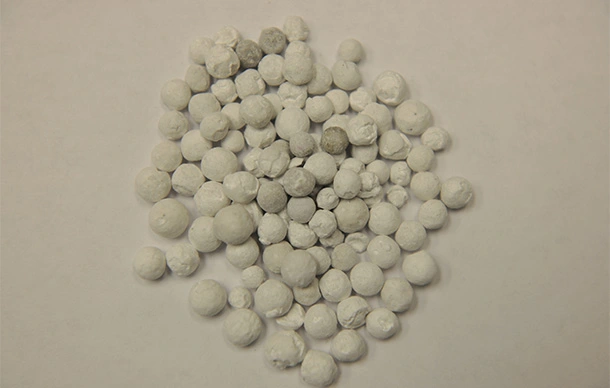
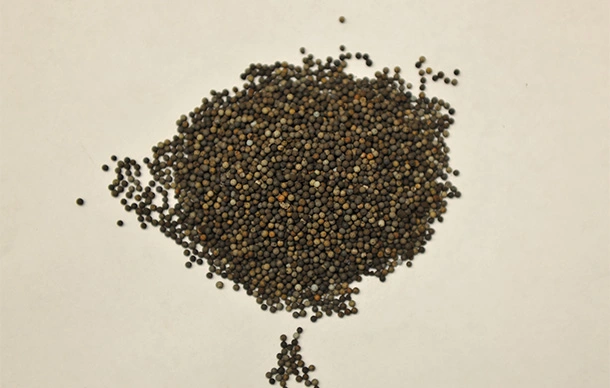
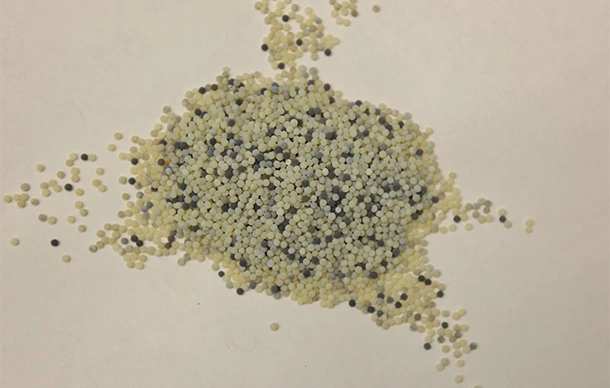
- Spent reforming catalysts, including platinum-alumina and platinum-rhenium catalyst systems
- Platinum-containing lab and process equipment, such as thermocouples and crucibles
- Platinum scrap and off-spec material from manufacturing runs
- Residues and solutions generated during platinum-based process operations
Because platinum so often shares a stream with rhodium, ruthenium, or palladium, MCR evaluates the full material rather than isolating platinum alone.
Material that falls outside these categories is still worth a conversation. Our platinum refining services operate within a broader precious metal recovery and recycling program, which extends to gold, silver, and the full range of platinum group metals.
How MCR Handles Transport and Documentation
Spent reforming catalysts can carry residual hydrocarbons and may require a specific transport classification before they ever leave your site. MCR coordinates that classification alongside standard shipping documentation and chain-of-custody tracking, so a shipment’s regulatory status is resolved before pickup rather than discovered in transit.
Talk to MCR About Your Platinum Recovery Program
Every platinum-containing shipment is different, especially when other platinum group metals are mixed in. Send MCR the details of what your operation is generating, and our team will lay out how the material would be analyzed, refined, and settled before anything ships.
Frequently Asked Questions About Platinum Refining Services
Does MCR refine spent platinum reforming catalysts?
Yes. Spent platinum-alumina and platinum-rhenium reforming and platforming catalysts are among the most common platinum-containing materials we process, and each is analyzed for platinum and any companion metals, such as rhenium, before a recovery route is set.
How does MCR separate platinum from other platinum group metals in the same material?
Mixed PGM streams are analyzed to identify every recoverable element present, then routed through refining steps that isolate platinum from rhodium, ruthenium, or palladium so each metal is accounted for.
Do spent reforming catalysts require special shipping precautions?
Some do. Residual hydrocarbons on spent reforming catalysts can affect their transport classification, and MCR works with generators to confirm the correct classification before a shipment leaves their site.
Does platinum-containing material need to be pre-processed before shipment?
Sometimes yes, depending upon the contaminants. But in many cases no. Our platinum refining services accept reforming catalysts, scrap, and process residues largely as generated. Decisions such as decanning or crushing are typically made after the material is assessed, not required before it ships.
How is platinum value determined when rhenium or other companion metals are present?
Each metal in the shipment is analyzed and valued individually. Platinum settlement reflects only the platinum content confirmed by analysis, while any recoverable rhenium, rhodium, or other companion metals are accounted for separately, also as confirmed by analysis.
Review Your Platinum-Bearing Materials With Metal & Catalyst Resources
If your operation manages spent platinum catalyst, platinum scrap, or platinum-containing residues, Metal & Catalyst Resources is prepared to evaluate those materials and define a clear recovery path. A focused material review allows platinum recycling, reclamation, recovery, and refining services to be structured around actual material characteristics and recovery objectives.
Connect with the MCR team to begin a platinum material assessment and explore practical options for reclaiming value from your platinum streams.