
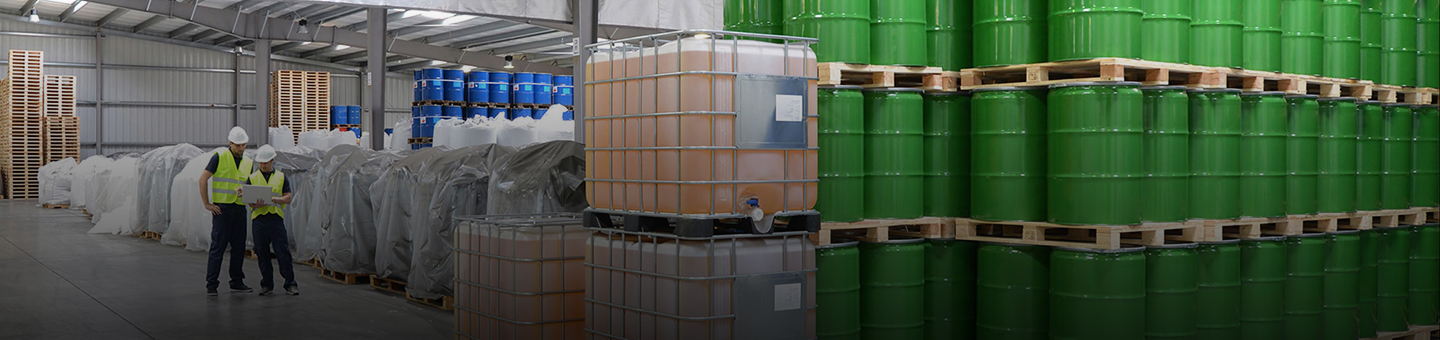
Cobalt Recycling Services
Cobalt-containing materials provide significant recovery when evaluated and managed with a knowledgeable partner. At Metal & Catalyst Resources, we operate as both a buyer and processor of cobalt-containing industrial materials, supporting controlled recovery across a wide range of forms and concentrations. Our cobalt recycling services encompass cobalt reclamation and recovery for materials ranging from approximately 8% Co to more than 90% Co, helping industrial operations convert complex cobalt streams into reusable materials or into economic value, through disciplined recycling and refining practices.
Cobalt Materials Demand Specialized Recovery Strategies
Cobalt appears in many industrial applications, but its recoverable value is rarely uniform. The differences in original formulation, usage duration, alloying elements, and processing history all influence how cobalt can be recycled.
That’s why MCR approaches cobalt recycling services with a focus on informed recovery planning. By pairing cobalt reclamation services with disciplined material review, cobalt catalysts, scrap, and residues are matched with the most appropriate recovery method.
Cobalt Reclamation Services for Catalysts, Scrap, and Residuals
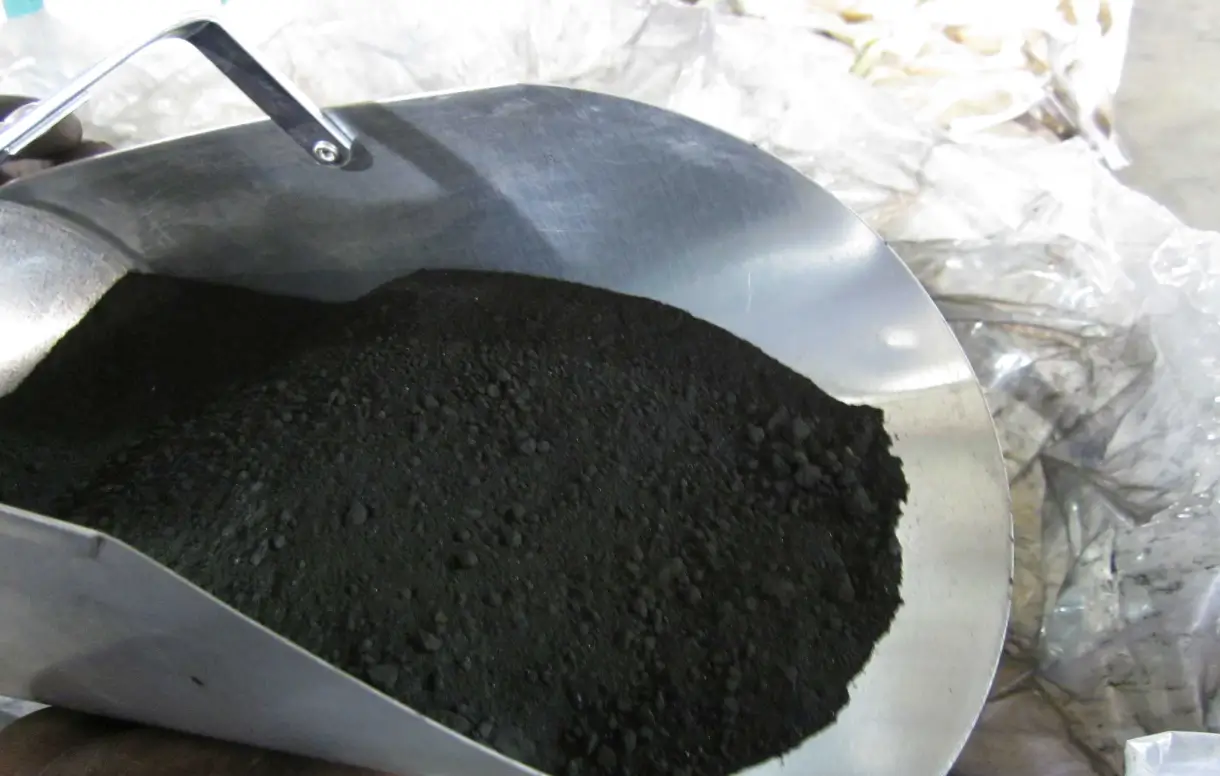
Cobalt enters recycling streams in many forms, each influenced by what the material was used for, contaminants picked up, and service life. MCR maintains cobalt reclamation services that accommodate this diversity while preserving consistency in handling and evaluation. As an active buyer of spent cobalt catalyst and cobalt-containing industrial materials, we focus on recovery pathways that reflect both material composition and practical reuse potential.
Our cobalt recycling services support a wide spectrum of inputs, including:
- Spent cobalt catalyst services from chemical, petrochemical, and refining operations
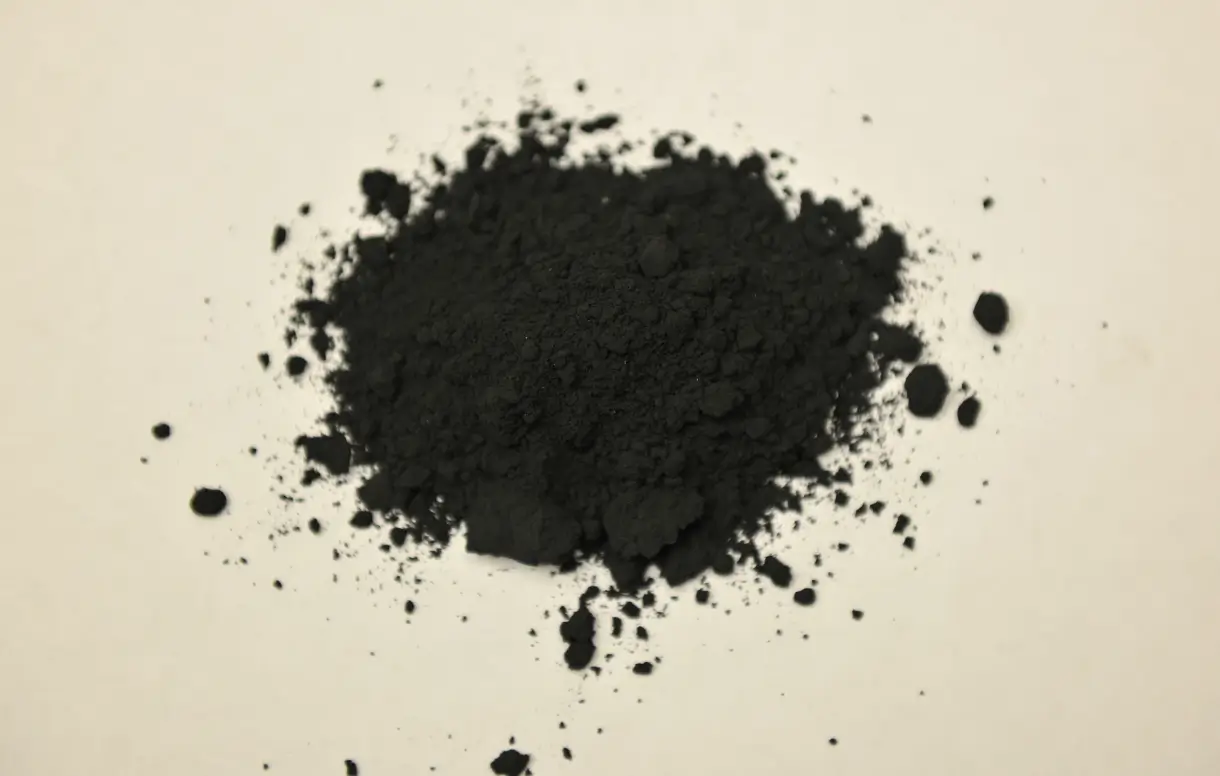
- Cobalt reclamation services for ashes, cakes, oxides, and other compounds, residues, grindings, and sludges
- Cobalt recycling services for cobalt scrap, battery scrap, anodes, and targets
- Recovery support for cobalt solids such as weld rod, alnico dross and scrap, high-speed steel, and cobalt samarium
- Cobalt recovery services for materials ranging from approximately 8% Co (depending upon analysis) to more than 90% Co
This breadth allows cobalt materials to be reviewed and managed on their own terms.
Why Cobalt Content Varies So Widely Across Industrial Materials
Cobalt content can shift dramatically from one material stream to the next. Original product formulation, operating conditions, exposure time, and downstream handling all influence how much cobalt remains recoverable at the end of use. Metallic scrap may retain high cobalt percentages, while catalysts, residues, or sludges often reflect dilution from binders, substrates, or process contamination.
We account for this variability through disciplined evaluation before any recovery pathway is defined. Sampling and material review establish realistic expectations around cobalt concentration and recovery potential.
Distinctions Between Catalysts, Metallic Scrap, and Cobalt Solids
Cobalt-containing materials present different recovery considerations depending on how cobalt is bound within the material.
Spent cobalt catalysts often contain cobalt dispersed across substrates or combined with other active metals, which influences how recovery is approached. Metallic cobalt scrap and alloyed forms, such as turbine components or high-speed steel, introduce different challenges tied to alloy composition and physical structure. Cobalt solids, including weld rod, alnico dross, and cobalt samarium, require careful assessment to understand how cobalt is distributed within the material matrix.
MCR works across these material types with an understanding that no single recovery path applies universally. Our experience supports cobalt reclamation services that remain responsive to form, composition, contaminants, and recovery objectives throughout the recycling process.
Cobalt Refining Services That Convert Recovered Units into Usable Value
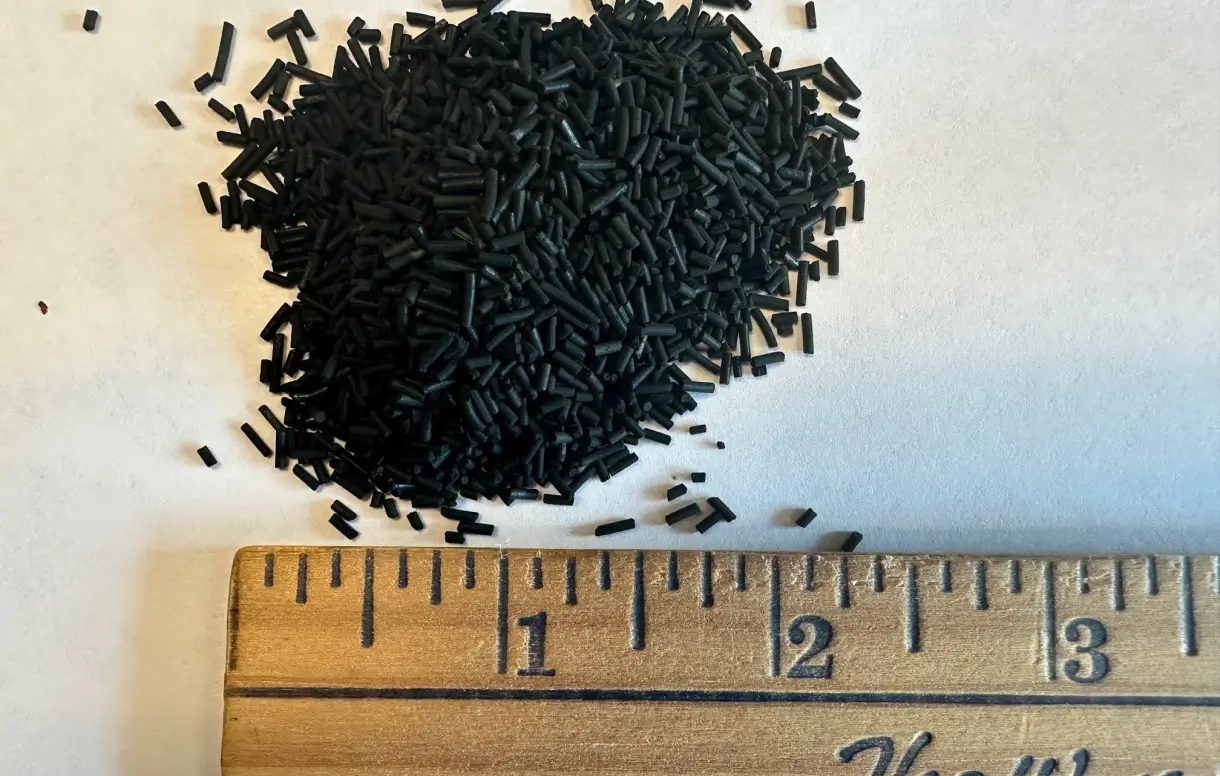
Once cobalt has been recycled and reclaimed, refining is the stage where recovered units are prepared for practical industrial use. Or, those cobalt units are used as a raw material in other production processes.
Refining pathways are selected based on cobalt percentage, alloy characteristics, and intended downstream application.
Frequently Asked Questions About Cobalt Recycling Services
How is cobalt recycling different from recycling other industrial metals?
Cobalt recycling often involves greater variability in material form and metal content. Differences in alloy composition, chemical supports, and usage history can influence recovery methods, making evaluation and material characterization especially important.
What factors affect the valuation of cobalt-bearing materials?
Valuation is influenced by cobalt concentration, contaminants, physical form, the presence of secondary metals, and the condition of the material at the end of use. Market conditions and processing requirements may also play a role.
Is cobalt recycling suitable for small quantities as well as larger volumes?
Cobalt recycling services can support a range of material volumes, from discrete batches to ongoing material streams. Evaluation helps determine how materials should be managed and processed over time.
Review Your Cobalt-Bearing Materials With Metal & Catalyst Resources
If your operation manages spent cobalt catalyst, cobalt scrap, or cobalt-containing residues, Metal & Catalyst Resources is prepared to evaluate those materials and define a clear recovery path. A focused material review allows cobalt recycling, reclamation, recovery, and refining services to be structured around actual material characteristics and recovery objectives.
Connect with the MCR team to begin a cobalt material assessment and explore practical options for reclaiming value from your cobalt streams.