
Zinc Recycling Services
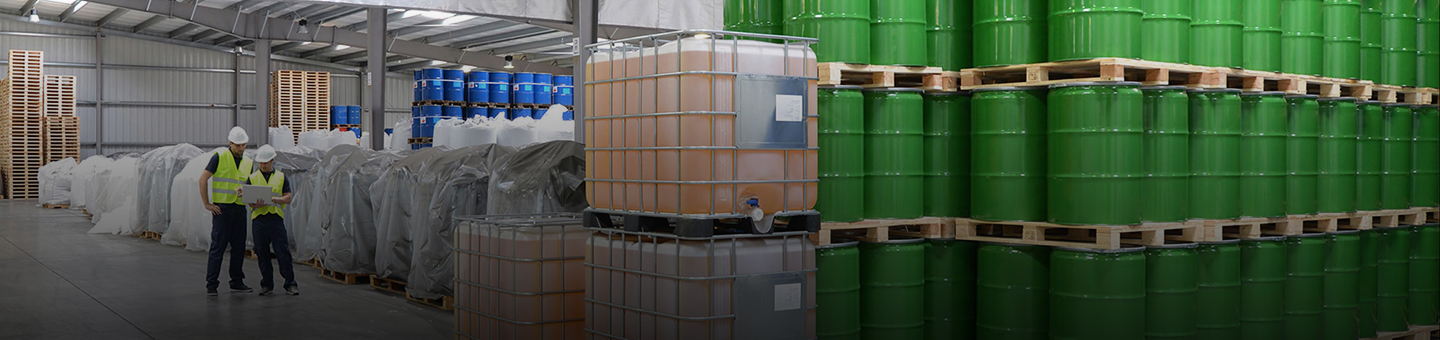
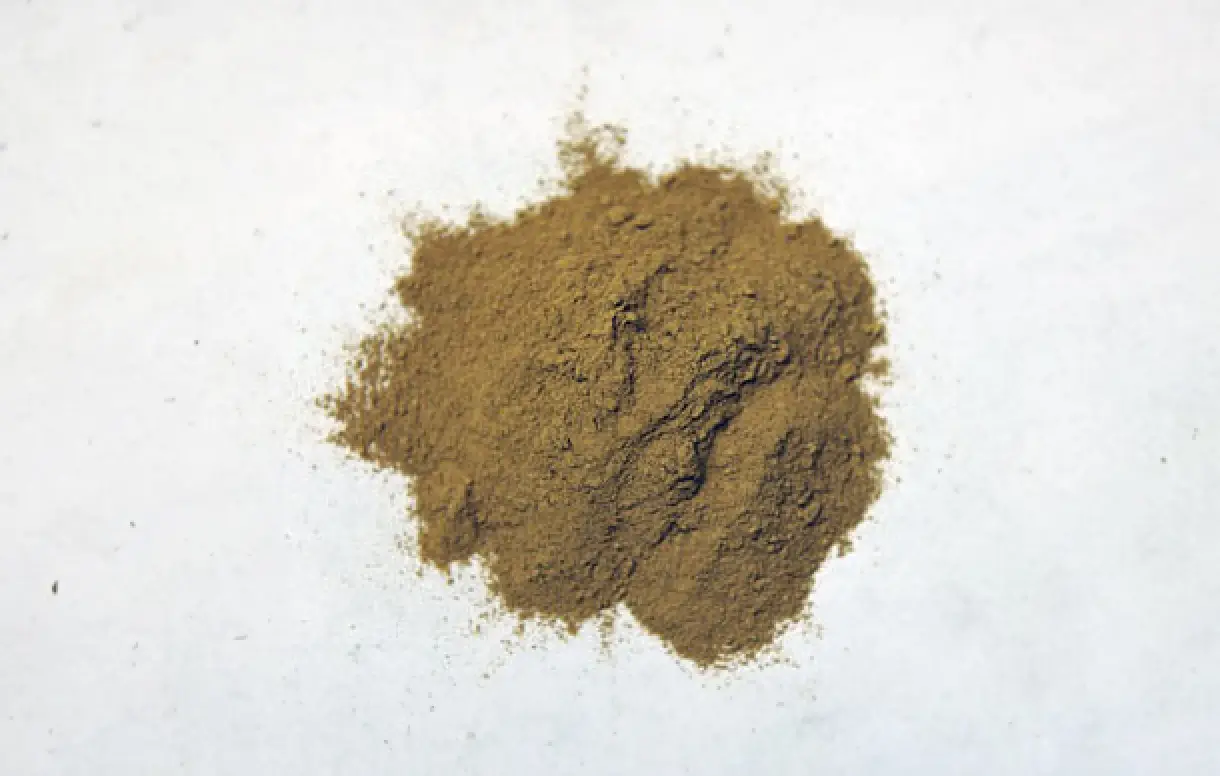
Zinc-containing catalysts, dusts, and slag provide real recoverable value when handled with the right expertise. At Metal & Catalyst Resources, our zinc recycling services focus on reclaiming zinc from complex industrial streams while maintaining control, transparency, and consistency throughout the process. We support zinc reclamation and recovery services for materials with zinc contents ranging from approximately 40% to 90%, helping industrial operations convert spent materials into usable raw material through disciplined recycling and refining pathways.
Zinc-Bearing Byproducts Create Both Risk and Opportunity
Industrial processes that rely on zinc catalysts or generate zinc-containing residues often face similar challenges. Materials such as spent zinc catalysts, dusts, and slag accumulate quickly, require careful handling, and carry both regulatory obligations and unrealized value. Without a clear recycling pathway, these materials can strain storage capacity and complicate waste management planning.
MCR approaches these zinc byproducts with a recovery-first mindset. Our zinc recycling services capture value from materials that might otherwise be treated as liabilities.
Our Zinc Recycling and Reclamation Capabilities
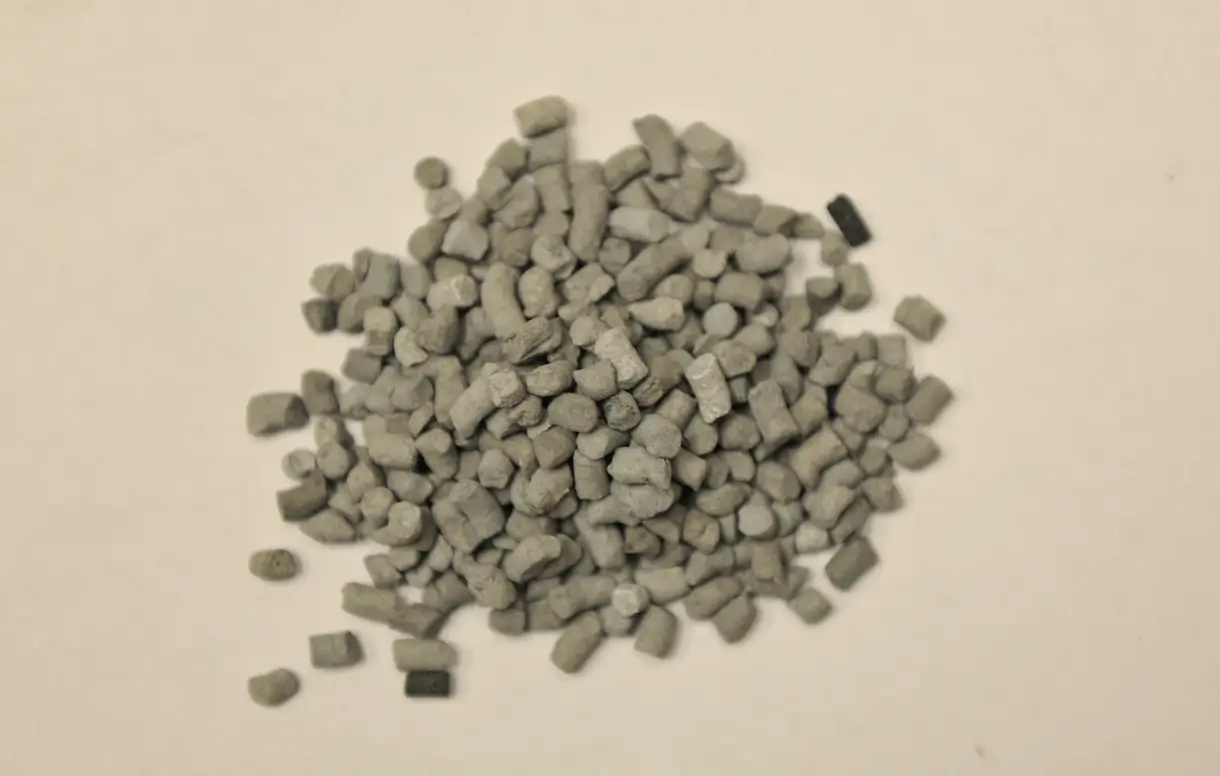
MCR works with zinc-containing materials across a wide concentration range and matches each stream with a recovery approach suited to its characteristics.
Our zinc recycling and recovery capabilities include:
- Zinc recycling services for catalysts, dusts, and zinc slag streams
- Zinc recovery services for materials containing approximately 30% to 90% zinc
This capability-driven approach supports consistent outcomes across diverse zinc-bearing materials.
How Zinc Materials Are Evaluated for Recycling and Recovery
Our zinc recycling services begin by understanding the material itself. When zinc-containing catalysts, dusts, or slag arrive at MCR, they undergo a structured evaluation process to inform recovery planning and downstream decisions. Zinc concentration, physical characteristics, contaminants, and the presence of secondary elements all influence how a material is best processed.
Establishing the right pathway early supports zinc reclamation services by improving consistency and planning accuracy. It also ensures zinc recovery services remain grounded in real material behavior.
Considerations for Zinc Slag, Catalyst, and Dust Streams
Once a pathway is defined, material characteristics guide the execution of zinc recovery services. Zinc slag may require different preparation than catalyst materials do, while zinc dusts often introduce unique handling considerations tied to particle size and composition. Secondary elements, binders, and residual compounds can also influence how zinc is separated and reclaimed.
That’s why it’s important to work with a partner like MCR. Our years of experience working across slag, catalyst, and dust streams allow our zinc reclamation services to remain responsive to material-specific challenges.
Start a Zinc Recycling Review With Metal & Catalyst Resources
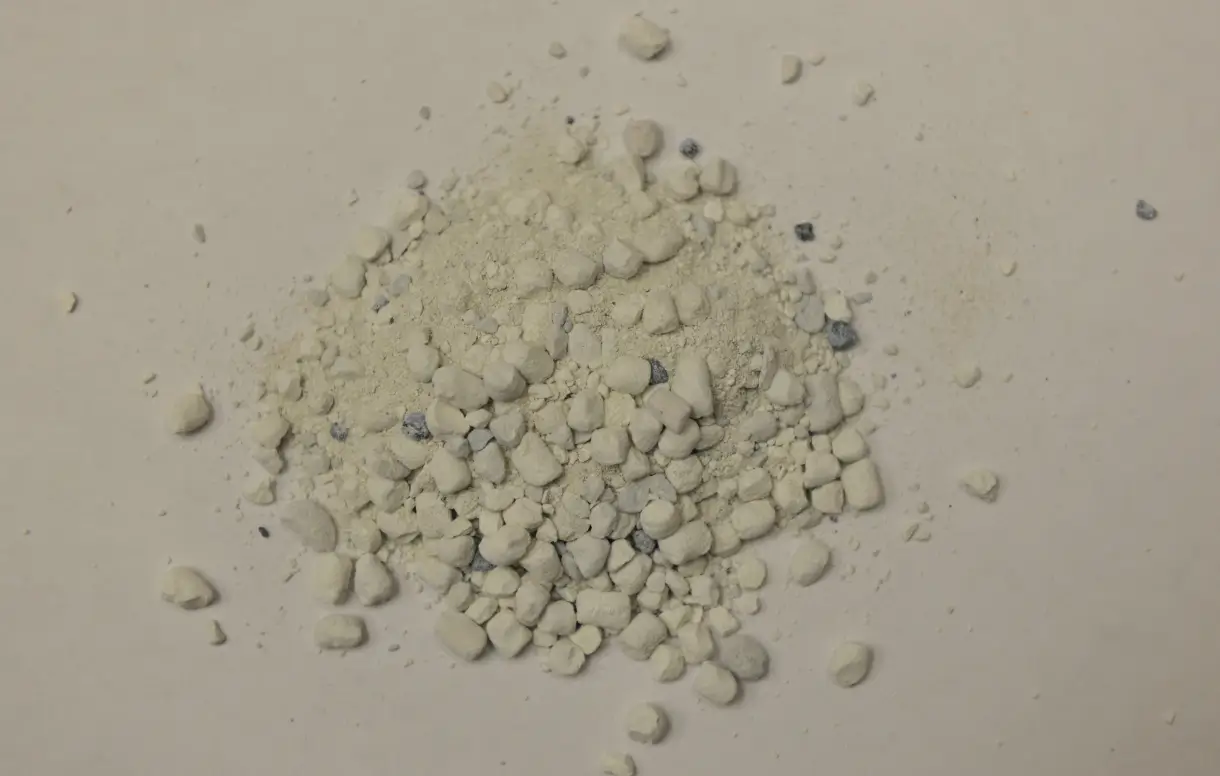
If your operation generates zinc catalysts, zinc dusts, or zinc slag, Metal & Catalyst Resources is equipped to evaluate those materials and define a clear recovery path. Our zinc recycling services support materials with zinc contents ranging from 30% to 90%, backed by experience handling complex industrial byproducts.
Connect with MCR to begin a zinc material assessment and explore practical options for recycling and reclaiming zinc from your production streams. processing channels without introducing unnecessary handoffs or uncertainty.
Frequently Asked Questions About Our Zinc Recycling Services
What types of zinc-containing industrial materials can be recycled?
Zinc recycling programs commonly handle a wide range of industrial byproducts, including catalyst materials, process residues, dusts, and slag generated during manufacturing, refining, or metallurgical operations. The suitability of a material depends on its composition and recoverable zinc content rather than its original use.
What influences the recovery potential of zinc-bearing materials?
Recovery potential can be affected by zinc concentration, physical form, the presence of secondary metals, and chemical binders. These variables influence how zinc responds to processing and which recovery methods are most effective.
What happens to zinc after it has been reclaimed and refined?
Once reclaimed and refined, zinc may be prepared for reuse in industrial applications, resale into secondary markets, or further processing depending on composition and intended end use. The specific outcome is guided by material characteristics and recovery objectives.