
Copper Recycling & Refining Services
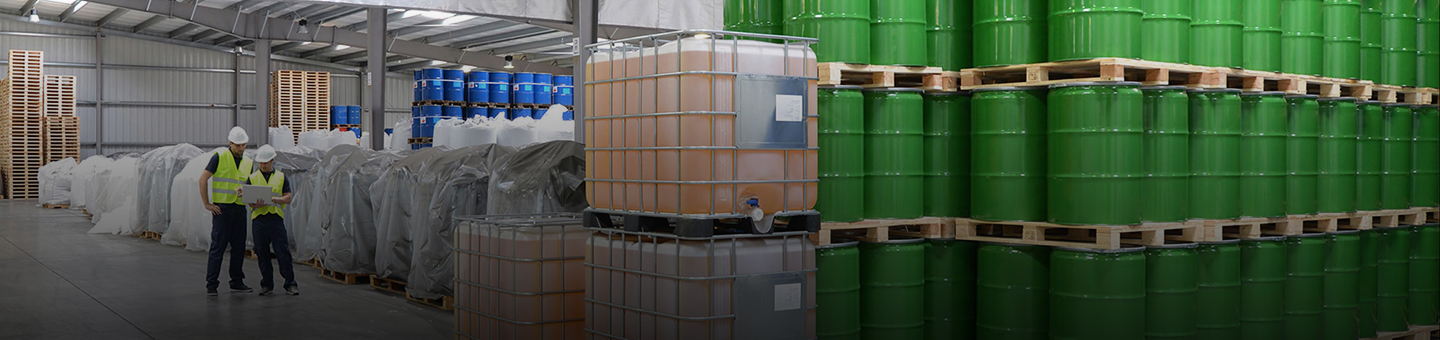
Copper-containing parts and products are a constant in industrial settings, and once their service life ends, their copper content still holds measurable value. Metal & Catalyst Resources recovers that value through its copper recycling services. Feedstocks, such as catalysts, slags, residues, and production scrap, are evaluated for chemistry, contaminants, and behavior under process conditions, allowing us to design recovery paths to convert spent material into a usable raw material once again.
Precision Pathways for Copper Recovery and Refining
Our copper recovery is structured around the behavior of each feedstock. Material chemistry is often evaluated before receiving any actual shipment, allowing us to assign a refining or recycling route that matches its mineralogy, impurity profile, and physical characteristics.
Whether the source is catalyst-based, slag-derived, or tied to industrial scrap, we apply controlled processes to reclaim the copper.
Materials Accepted Through Our Copper Reclamation Services
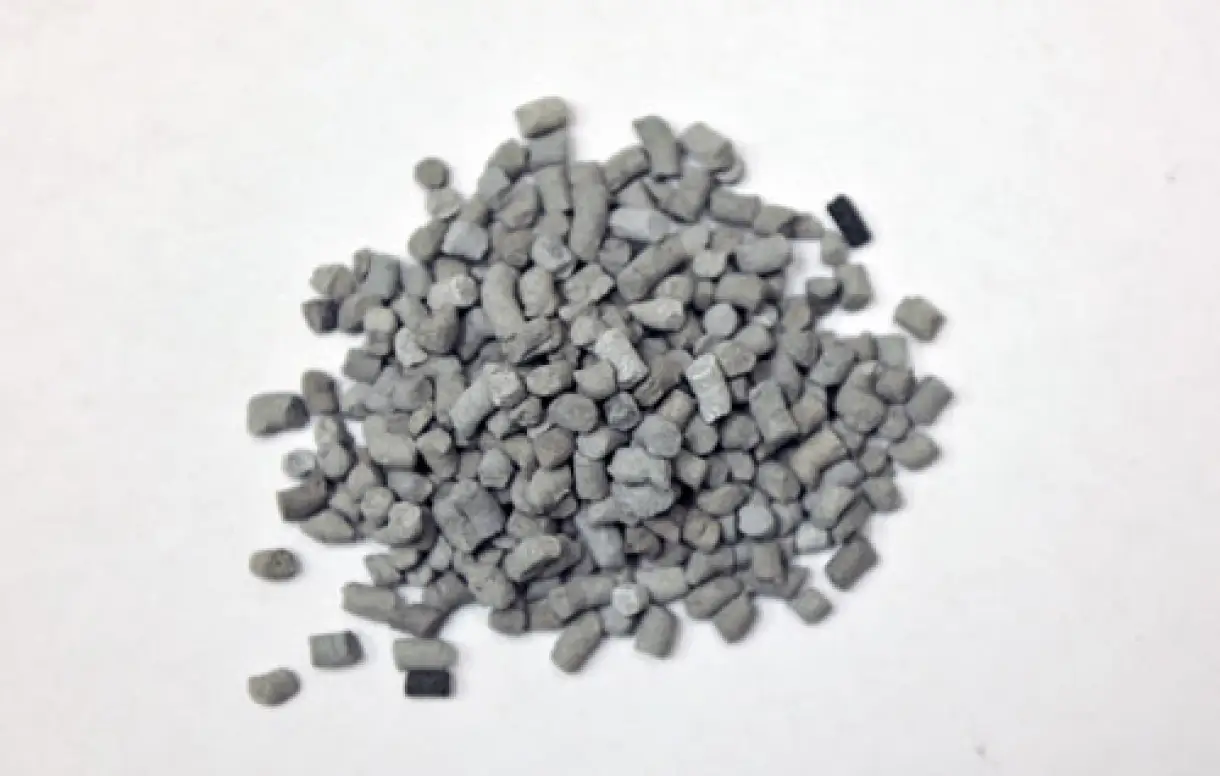
Our copper recycling capabilities support a wide range of industrial feedstocks, each requiring its own treatment pathway. Material form, concentration, and contaminants influence how we classify and refine each load.
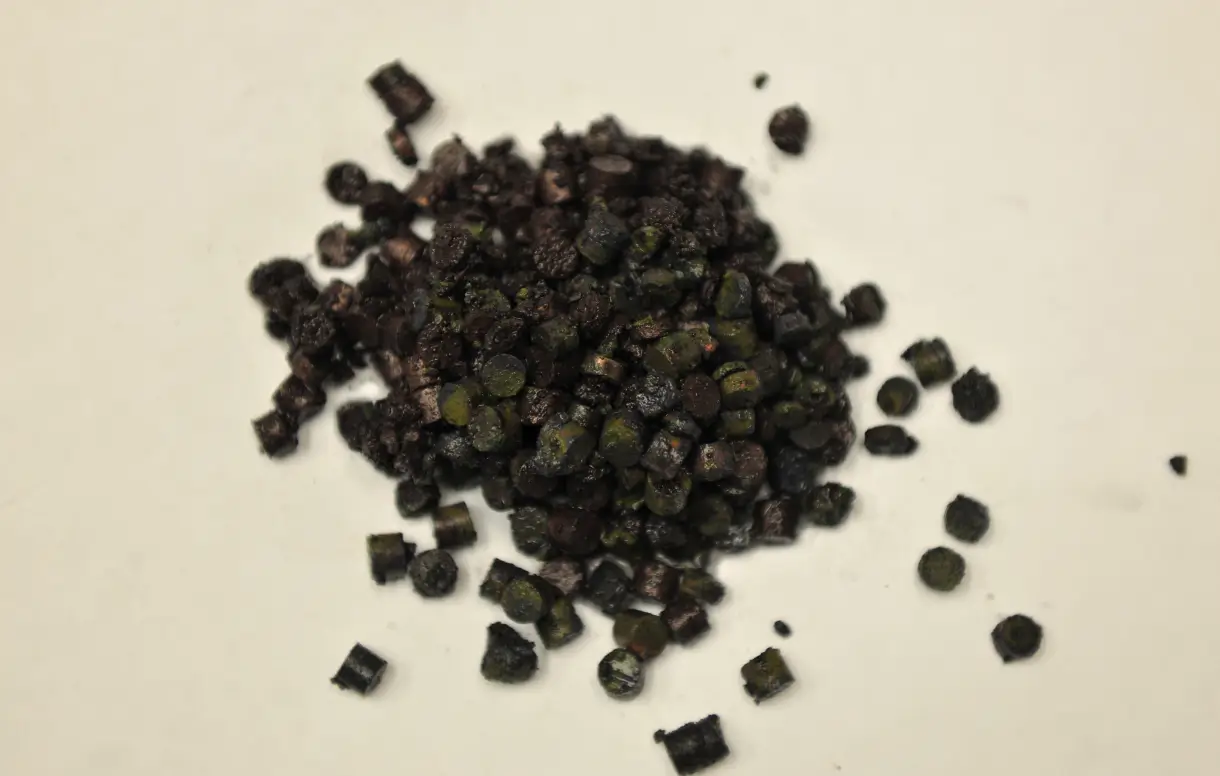
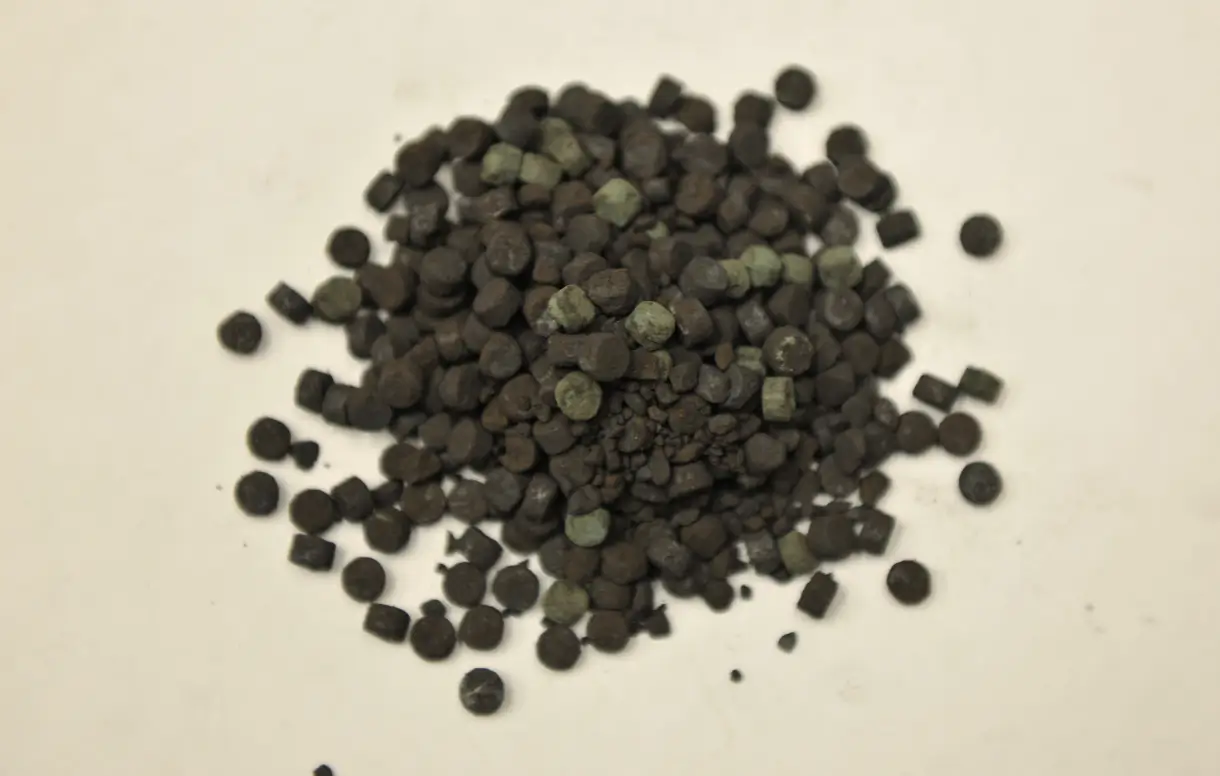
- Copper-bearing spent catalysts suitable for chemical leaching or high-temperature reduction
- Copper slag from metallurgical operations requiring targeted impurity removal
- Copper residues, fines, and sludges generated during processing or surface treatment
- Off-spec copper compounds, powders, and mixed scrap with variable elemental profiles
Every shipment is reviewed through assay and metallurgical testing to confirm recovery potential and assign the appropriate copper reclamation process.
Refining Systems for Complex Copper Streams
Copper refining at MCR relies on processing routes that adapt to the form and chemical composition of each material. Hydrometallurgical leaching, controlled precipitation, and high-temperature reduction are applied as needed to separate copper from binders, carriers, and inorganic matrices. Processing conditions are carefully adjusted with tight oversight so each transformation proceeds with predictable efficiency.
Analytical Validation and Process Assurance
Laboratory oversight is always a very important step. Samples are prepared for analysis to confirm metal concentration, impurity levels, and overall recovery progress. This guides adjustments during processing and verifies that each copper stream moves through the reclamation process efficiently.
Logistics, Compliance, and Controlled Material Movement
Our copper recycling services include full coordination of transport, documentation, and regulatory alignment for all copper-bearing materials. Each movement follows established handling protocols that support safe transit and protect the integrity of copper catalysts, slags, and residues. We manage intake scheduling, routing through approved carriers, and recordkeeping tied to international and domestic transport codes.
- Chain-of-custody tracking from pickup to refinery intake
- Regulatory compliance for copper catalyst services and related waste streams
- Insurance and material accountability during transit
- Documentation packages for audit, regulatory reporting, or internal review
Our structured approach maintains clear oversight across each shipment and supports reliable copper reclamation from start to finish.
Frequently Asked Questions About Our Copper Recycling, Recovery, and Refining Services
What types of copper-bearing materials can be refined through copper recycling services?
We work with catalysts, slags, residues, metallic scrap (depending on total weight) and chemically bound copper compounds. Each material is classified by concentration, form, and impurity profile, and is then assigned a recovery route that suits its metallurgical characteristics.
Do contaminants or additives interfere with copper refining services?
Additives, binders, and process chemicals can influence reaction pathways, as well as suitability of various processing methods. Our systems account for these variables.
Can copper recovery services support recurring or large-volume material streams?
Yes. Our operational model accommodates routine shipments, variable concentrations, and complex chemistries. Long-term programs can be structured to maintain consistent reclamation results and stable resource availability.
Start Your Copper Recovery Program With Metal & Catalyst Resources
A structured copper reclamation plan begins with understanding the composition of your material stream. Our team evaluates feedstock chemistry, assigns a suitable refining route, and coordinates every stage required to reclaim usable copper. Contact us to review your catalysts, slags, residues, or production scrap, and we’ll outline the technical path that supports reliable copper recovery and sustained resource value.